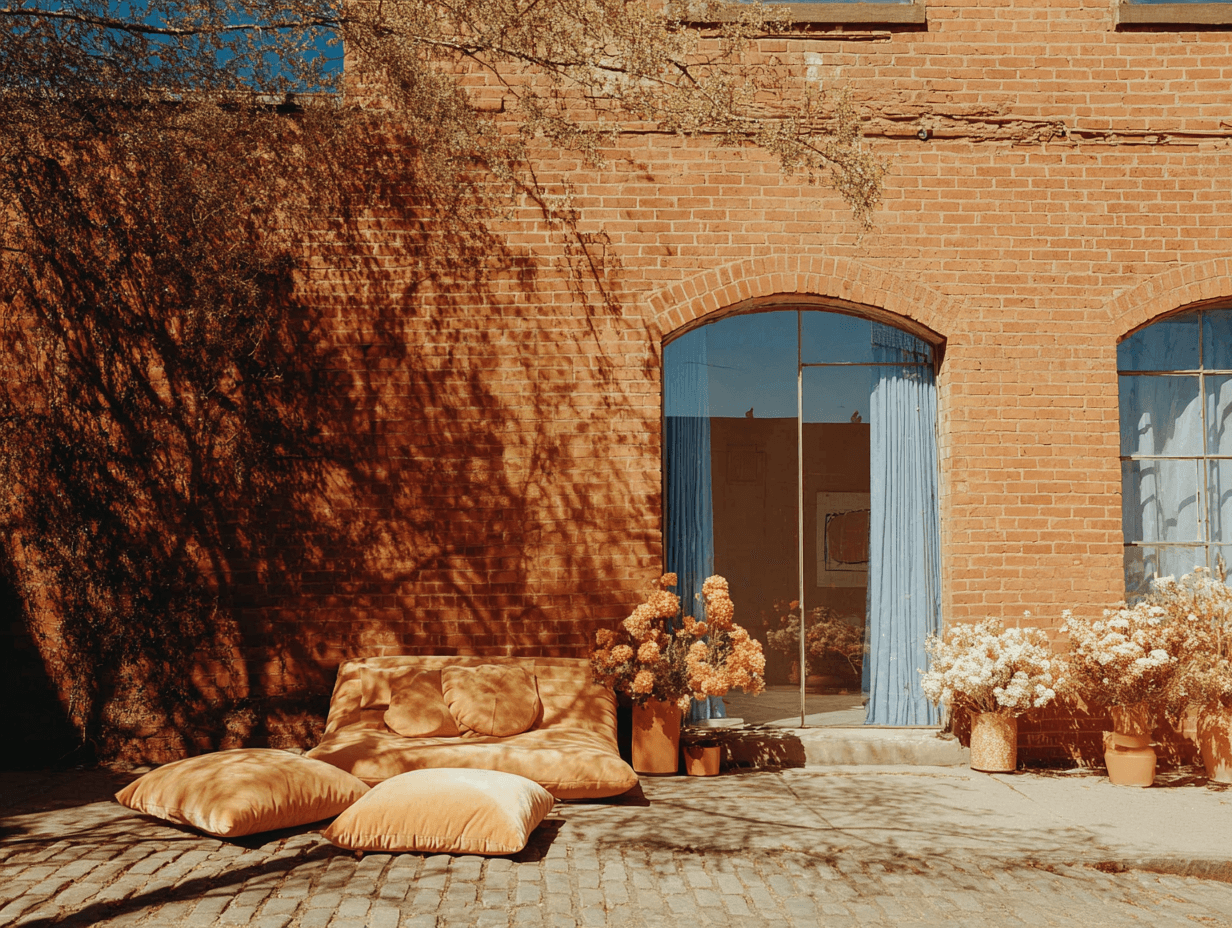
The brief arrives in many forms. Sometimes it is a detailed document with room counts, budget figures, and precedent images. More often it is a feeling — a sense of how a family wants to live, a site that has been owned for years without a clear plan, an existing house that no longer fits. Our first job is to turn that feeling into a set of questions precise enough to design from.
Site Before Sketch
Before any drawing is made, we spend time with the land. We walk the site at different times of day. We note where the light falls in the morning and where the prevailing wind comes from. We look at what is around the site — not just the immediate neighbours, but the wider landscape, the horizon, the things worth framing and the things worth screening.
Why orientation matters more than style
A house that is wrongly oriented will never feel right, regardless of how well it is detailed. Getting this decision right in the first weeks saves months of revision later.
The Brief as a Living Document
The most useful briefs are not finished documents. They are starting points that change as the client learns what is possible.
We work through the brief in stages. Early conversations focus on how the clients actually live — not how they think they should live. How often do they cook together? Do they work from home? Do they want the garden to be used or looked at? These questions produce a different kind of brief than a standard room schedule.
From brief to concept
Once the site and brief are understood together, the concept emerges from the overlap between them. Not from a style preference, not from a precedent image, but from the specific conditions of this land and this family at this moment.
What Happens Before the First Wall
By the time construction begins, the project has already been designed, reviewed, revised, permitted, tendered, and priced. The first wall going up is not the beginning of the project. It is the confirmation that everything before it was done correctly.