The Case for Honesty in Material
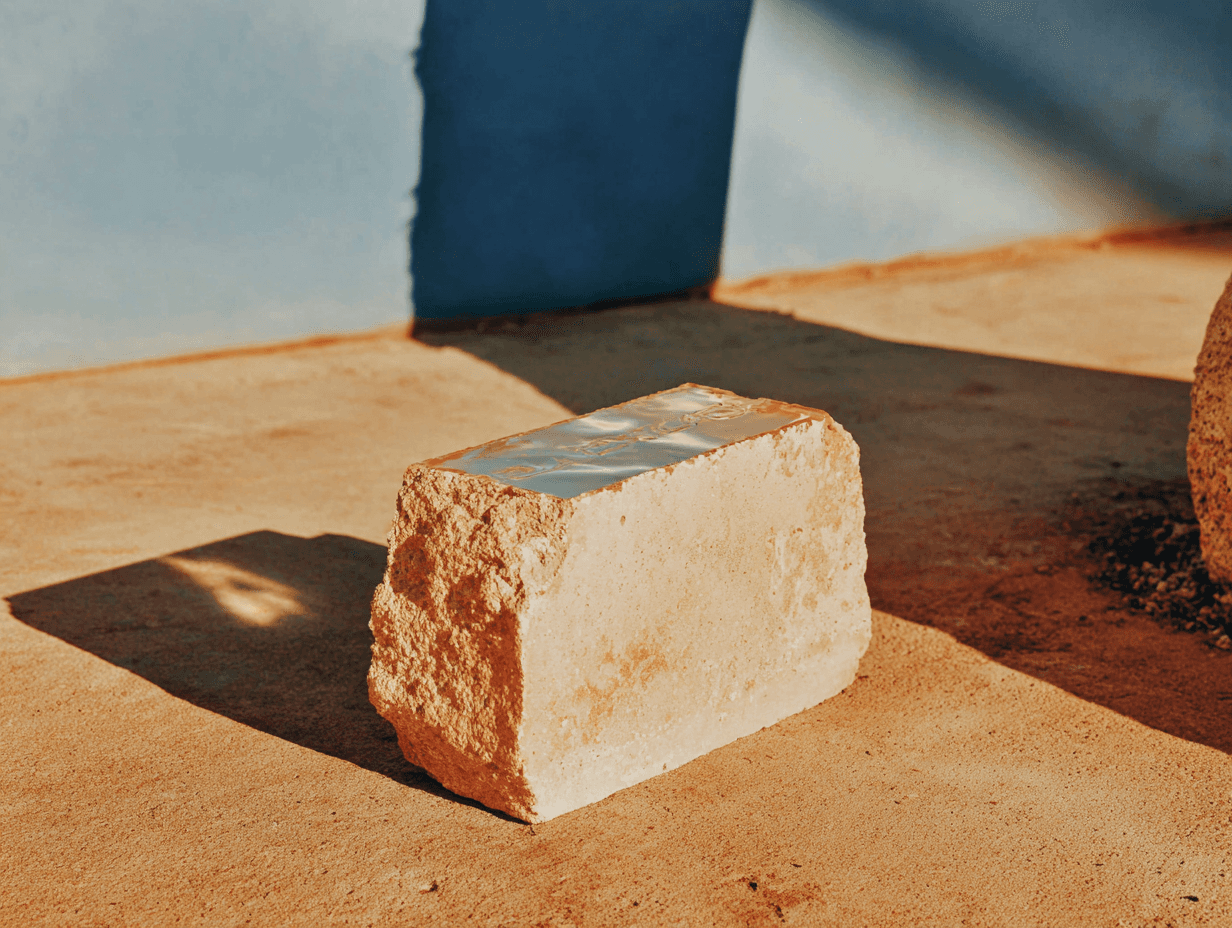
Concrete is not a fashionable material. It has no warmth in the conventional sense, no grain, no colour that flatters in the afternoon light. And yet it is the material we return to on almost every project. Not because it is easy, or cheap, or because clients ask for it. Because it is honest.
A concrete wall does not pretend to be something it isn't. It shows its formwork, its aggregate, its age. After ten years it looks better than it did on the day of the pour. After fifty it has become part of the landscape.
Buildings that absorb time are worth more than buildings that resist it.
What permanence actually means
This is what we mean when we talk about building for permanence. The alternative is a material culture built around surfaces. Cladding that mimics stone. Render that imitates concrete. Veneers applied to structures that will not outlast the trend that inspired them.
Thinking in Decades, Not Years
When we specify materials on a project, we think about decade three more than year one. How will this floor wear? What will this wall look like when the light changes in winter?
The materials that earn their place
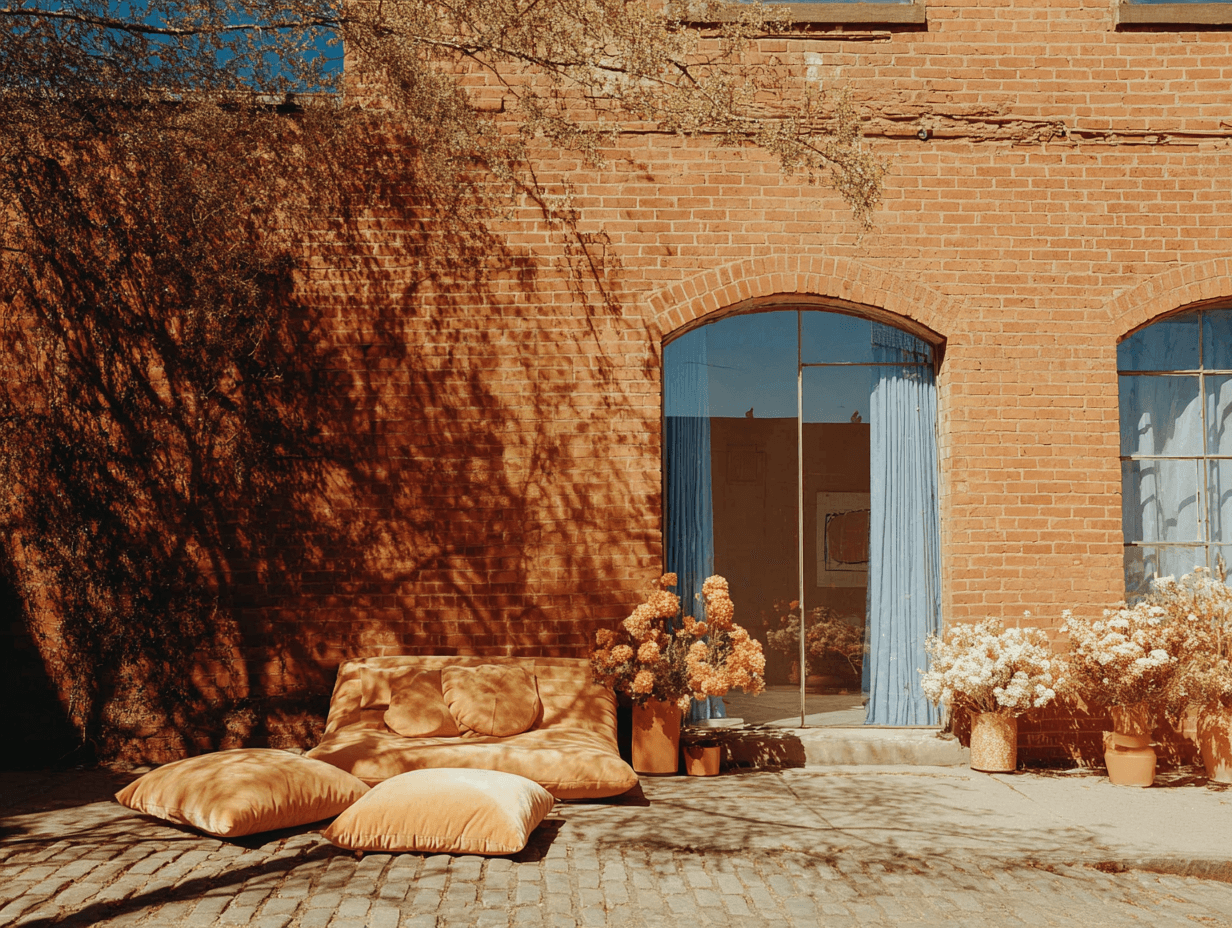
Concrete is one answer. Limestone is another. So is untreated oak, weathering steel, hand-fired brick. What these materials share is a willingness to change — to take on the marks of the life lived around them. That is not a flaw in the material. It is the point.